
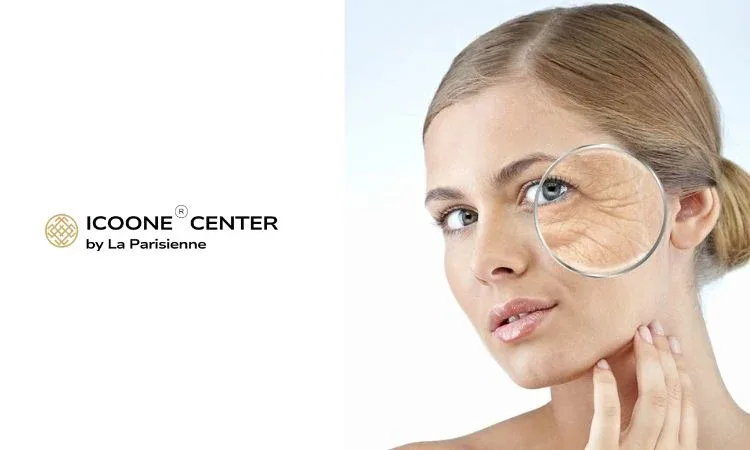
Wrinkles are a natural and inevitable part of the aging process, primarily due to changes in the structure and composition of our skin over time. As we grow older, both internal (biological) and external (environmental) factors contribute to the visible signs of aging. Here are the key reasons why skin wrinkles as we age:
Loss of Collagen and Elastin
Collagen: This is the most abundant protein in our skin, providing its structure, strength, and firmness. Think of it as the scaffolding that holds your skin up. As we age, our bodies produce less collagen, and the existing collagen fibers can become fragmented and weaker. This leads to a loss of skin density and contributes to sagging and the formation of wrinkles.
Elastin: This protein is responsible for the skin’s elasticity, allowing it to stretch and snap back into place. Imagine tiny coiled springs. With age, elastin fibers lose their resilience and ability to recoil, making it harder for the skin to bounce back after expressions or movements, resulting in permanent creases.
Decreased Skin Cell Turnover
In younger skin, cells regenerate approximately every 28 days. As we age, this process slows down significantly (to around 40–45 days in middle age). This means older, duller skin cells accumulate on the surface, contributing to a less smooth and radiant appearance and exacerbating the look of wrinkles.
Reduced Hyaluronic Acid
Hyaluronic acid is a natural substance in the skin that helps retain moisture, keeping it plump and hydrated. As its production declines with age, the skin becomes drier and less supple, making wrinkles more prominent.
Thinning of Skin Layers
The outer layer of the skin (epidermis) thins with age, and the underlying fat layer (subcutaneous fat) also diminishes. This loss of volume and structural support contributes to sagging and the formation of lines and creases.
Repeated Facial Expressions
Throughout our lives, we make countless facial expressions like smiling, frowning, and squinting. When we’re young, our skin is elastic enough to bounce back. However, as collagen and elastin decline, these repeated muscle contractions cause the skin to lose its ability to spring back, leading to permanently etched lines, especially around the eyes (crow’s feet), mouth, and forehead.
External Factors (Accelerators of Aging)
- Sun Exposure (UV Radiation): One of the most significant external culprits. UV rays break down collagen and elastin fibers, leading to “photoaging.” This damage not only causes wrinkles but also uneven pigmentation and rough skin texture.
- Smoking: Smoking significantly speeds up the aging process by reducing collagen production and damaging existing collagen and elastin.
- Pollution and Environmental Factors: Exposure to pollutants can generate free radicals, which damage skin cells and accelerate aging.
- Lifestyle Factors: Dehydration, poor diet, and lack of sleep can also contribute to premature skin aging.
- Genetics: Our genes play a role in how and when our skin ages and the extent to which we develop wrinkles.
Conclusion
In essence, wrinkles are a visible manifestation of the cumulative effects of both intrinsic (biological clock, genetics) and extrinsic (environmental, lifestyle) factors on the skin’s supportive structures and regenerative capacity. While we can’t stop the clock, understanding these contributing elements can help us make choices to slow the process and maintain healthier, more youthful-looking skin for longer.