
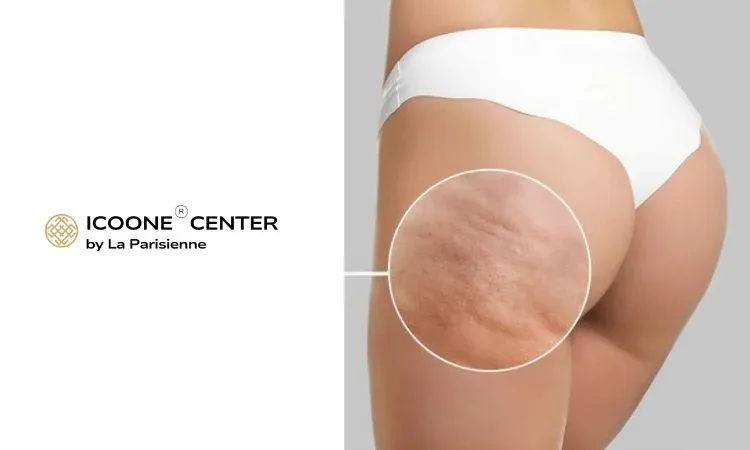
Cellulite is a very common and harmless skin condition that causes dimpled or lumpy flesh, most often on the thighs, hips, and buttocks. It affects the vast majority of women estimates range from 80–90% compared to only around 10% of men. This significant gender difference is primarily due to a combination of anatomical, hormonal, and genetic factors.
Connective Tissue Structure
Women: Women’s connective tissue (fibrous septae) under the skin is arranged vertically, like parallel picket fences. This structure makes it easier for fat cells to push up through these compartments, creating the characteristic dimpled appearance of cellulite.
Men: Men’s connective tissue has a criss-cross (reticulate) pattern. This stronger, tighter structure helps to hold fat cells in place more effectively, resulting in a smoother skin surface. Additionally, men generally have thicker skin, which further helps to mask any underlying fat.
Hormonal Factors
Estrogen: Estrogen, the dominant female hormone, plays a significant role. It promotes fat storage in areas prone to cellulite such as the thighs, hips, and buttocks and can affect collagen breakdown. During hormonal fluctuations like puberty, pregnancy, or menopause, estrogen levels can change significantly, leading to softer connective tissue and more visible cellulite.
Other Hormones: Hormones such as insulin, noradrenaline, thyroid hormones, and prolactin are also believed to contribute to cellulite formation and fat metabolism.
Fat Distribution
Women naturally store more fat in areas like the thighs, hips, and buttocks. These are the very areas most prone to cellulite. The vertical alignment of connective tissue in these regions makes them even more susceptible to fat protrusion and dimpling.
Genetics
Genetics play a key role. If your mother or grandmother had cellulite, you’re more likely to have it too. Genes can affect fat distribution, skin thickness, collagen production, and circulation all of which influence cellulite development.
Age
As women age, their skin naturally loses elasticity and collagen, becoming thinner and more prone to sagging. This makes cellulite more visible. Muscle mass also tends to decrease with age, reducing the underlying support structure and enhancing the appearance of cellulite.
Other Contributing Factors
Although cellulite is more common and pronounced in women due to the above reasons, several lifestyle and environmental factors can worsen its appearance for both men and women:
Diet and Lifestyle
A diet high in unhealthy fats, sugars, and salt, combined with a sedentary lifestyle, can increase fat storage, weaken connective tissue, and impair circulation, all of which contribute to cellulite.
Weight Gain
Even thin individuals can have cellulite, but weight gain increases the volume of fat under the skin, making dimpling more pronounced.
Poor Circulation
Reduced blood flow and lymphatic drainage can lead to fluid retention and the buildup of toxins, contributing to the visibility of cellulite.
Smoking
Smoking reduces blood flow and damages collagen and elastin, weakening the skin and connective tissue.
Stress
Chronic stress can affect hormone levels and impair circulation, both of which may exacerbate cellulite.
Conclusion
The primary reason women develop cellulite more often than men lies in their unique skin structure, hormone levels particularly estrogen and fat distribution patterns. While cellulite is completely normal and not a medical issue, understanding the causes can help in managing its appearance through lifestyle changes, proper skin care, and in some cases, cosmetic treatments.